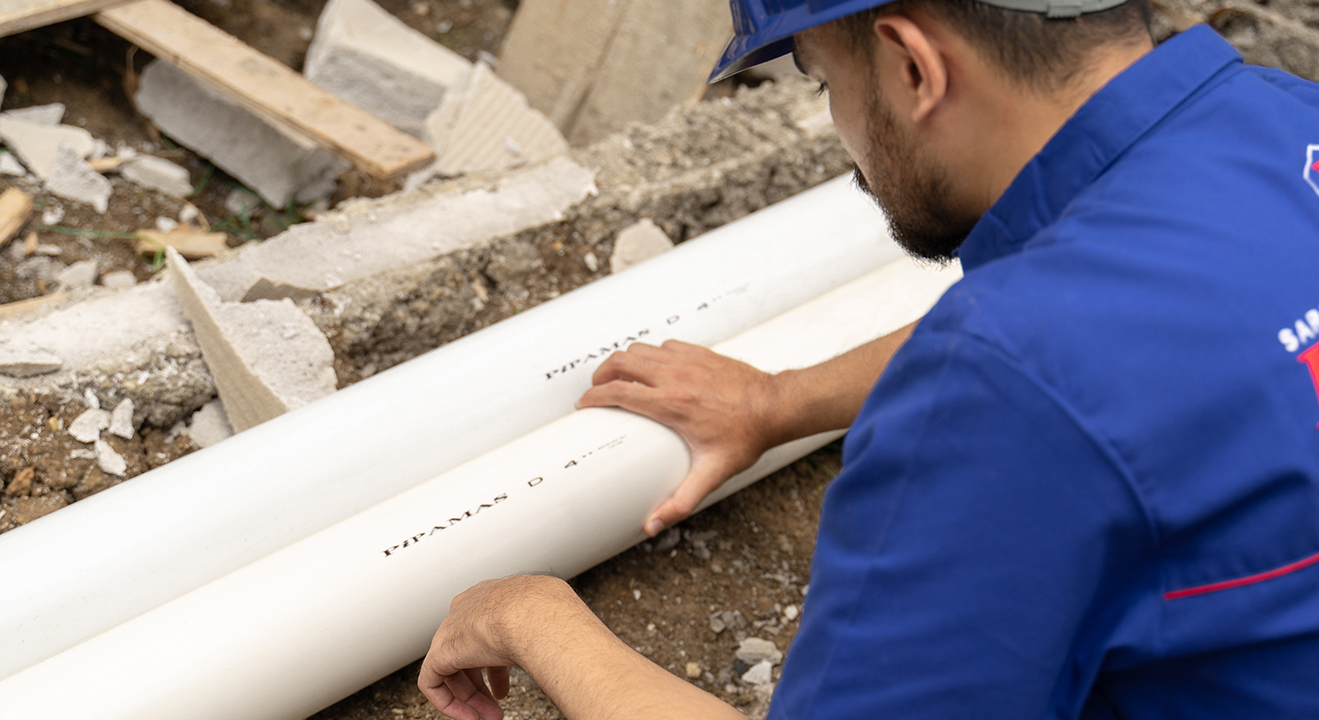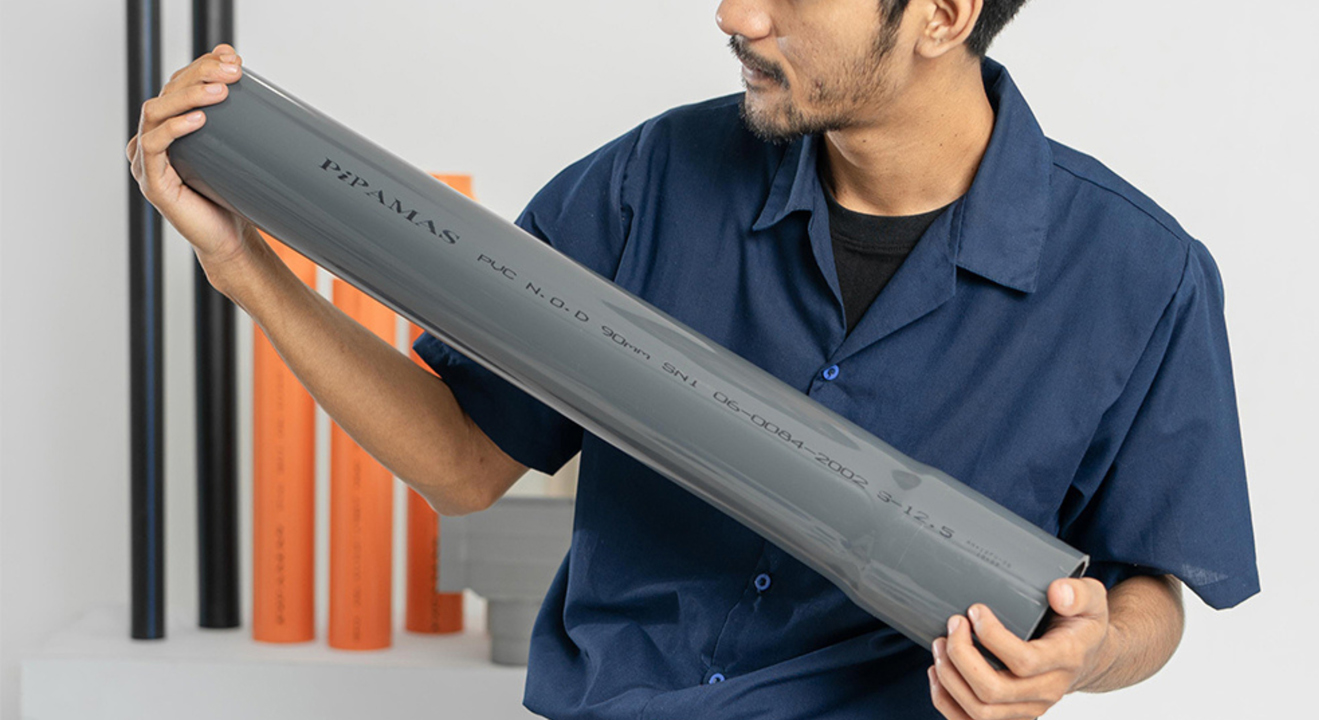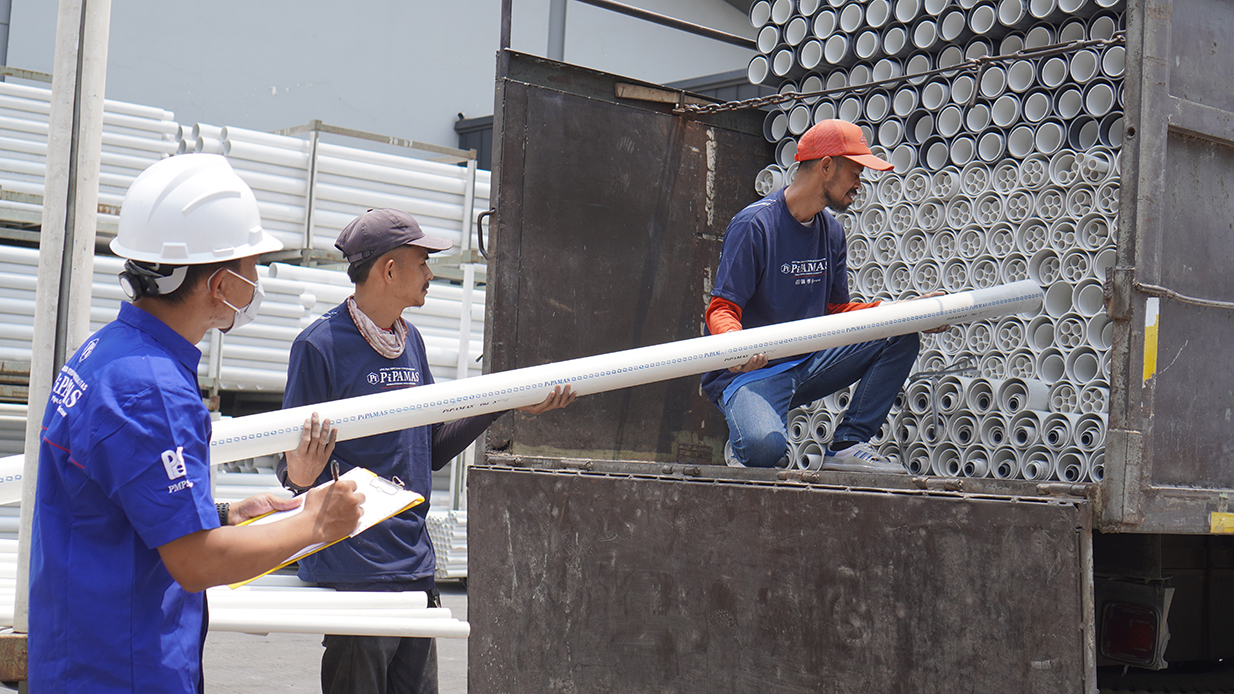


In building installations, conduit pipes and Class C PVC pipes are often mistaken for one another due to their similar appearance. However, they possess distinct functions and characteristics. Understanding these differences is essential to ensure a safer, more appropriate installation, while avoiding cost inefficiencies and optimizing project timelines.
The Crucial Role of Conduit Pipes Conduit pipes are specifically engineered to protect electrical wiring installations. The material is formulated to be highly resistant to heat, friction, and minor impacts that may occur along the cable pathway. Utilizing conduit pipes aims to maintain the safety of the electrical network while simplifying wire management and maintenance within the structure.
Understanding Class C PVC Pipes Meanwhile, Class C PVC pipes are primarily designed for non-pressure applications, such as drainage, ventilation, or lightweight wastewater systems. They feature thinner walls compared to other classes (AW and D) and are not engineered to shield electrical cables from heat or short-circuit risks. Because their functions differ entirely, utilizing Class C pipes as a substitute for conduit poses safety risks and is strictly not recommended.
The Long-Term Risks of Misapplication If Class C PVC pipes are used as electrical conduits, serious risks arise, including pipe cracking due to cable heat, suboptimal wiring protection, and potential short-circuit hazards. In the long run, this misapplication increases the risk of electrical network failure, compromising the overall safety of the building's occupants.
Conclusion: Right Product for the Right Application In short, conduit pipes are dedicated to electrical installations, whereas Class C PVC pipes are intended for non-pressure channels. Choosing the right pipe for its specific function ensures a safer, neater, and more cost-effective installation. With high-quality PVC piping products from PIPAMAS, your building installation demands are met precisely and professionally.