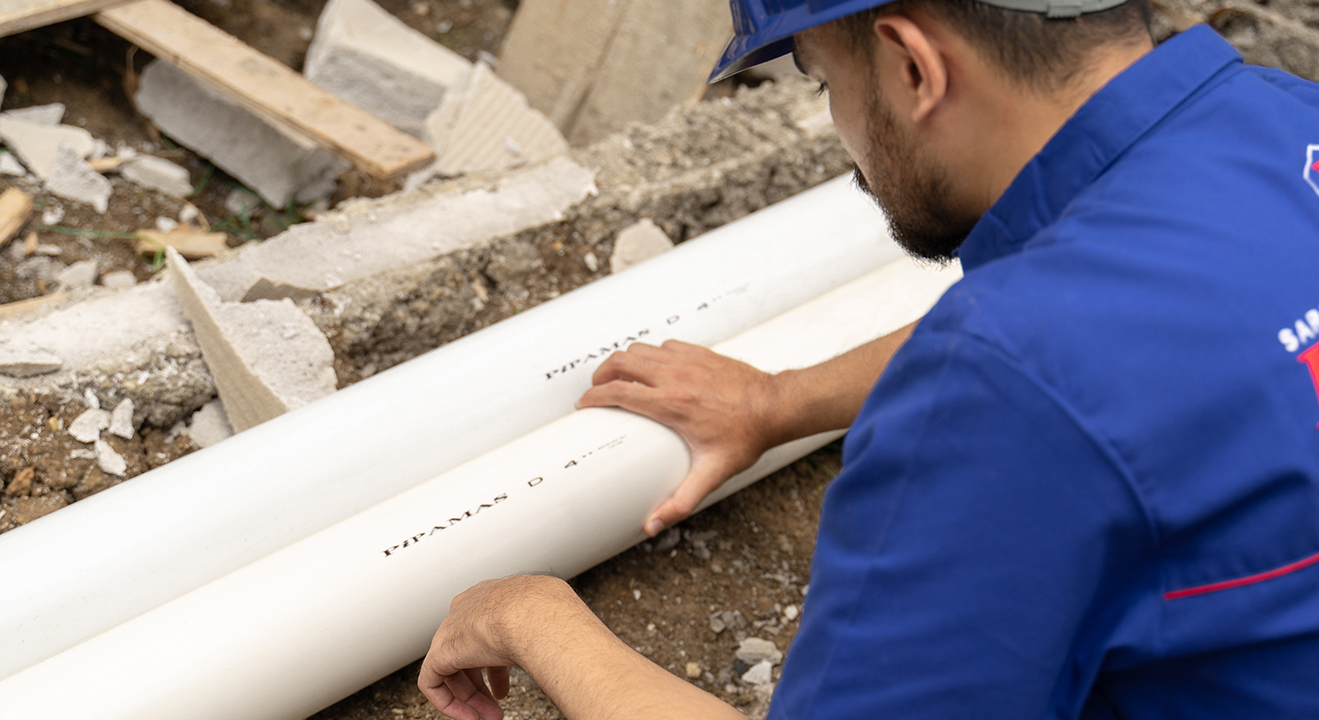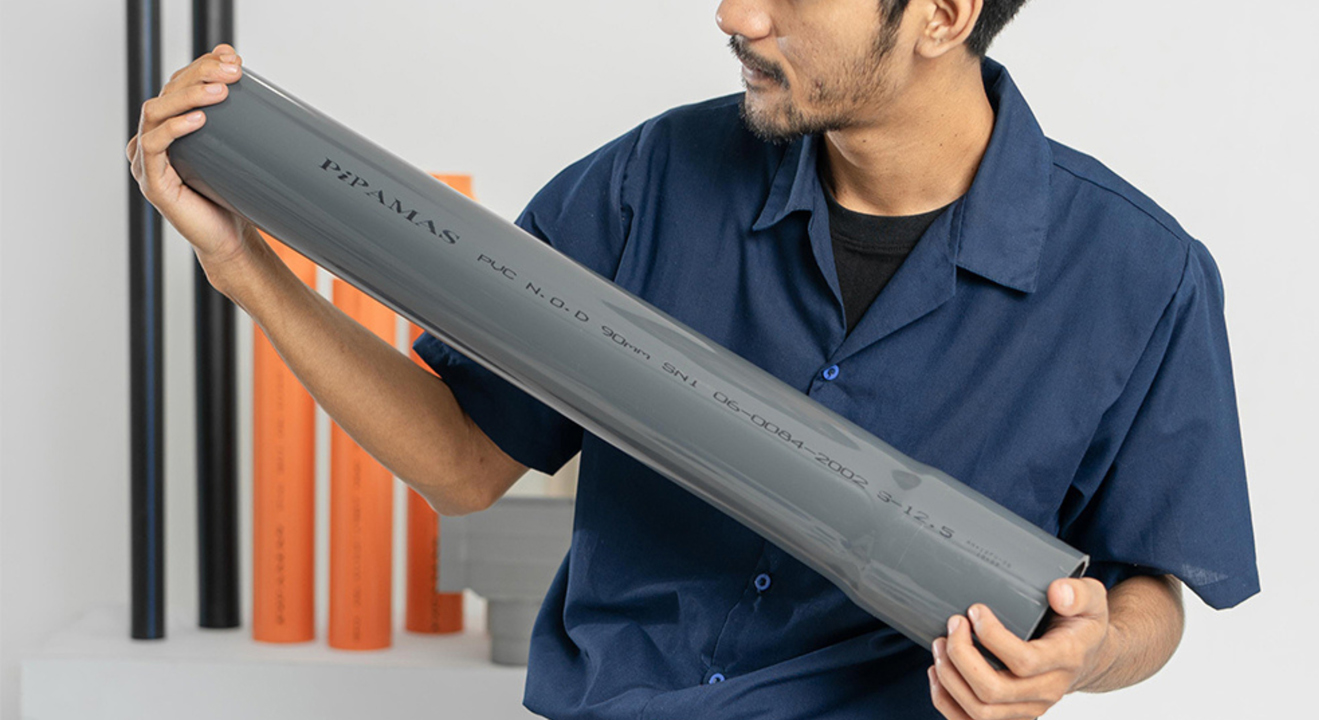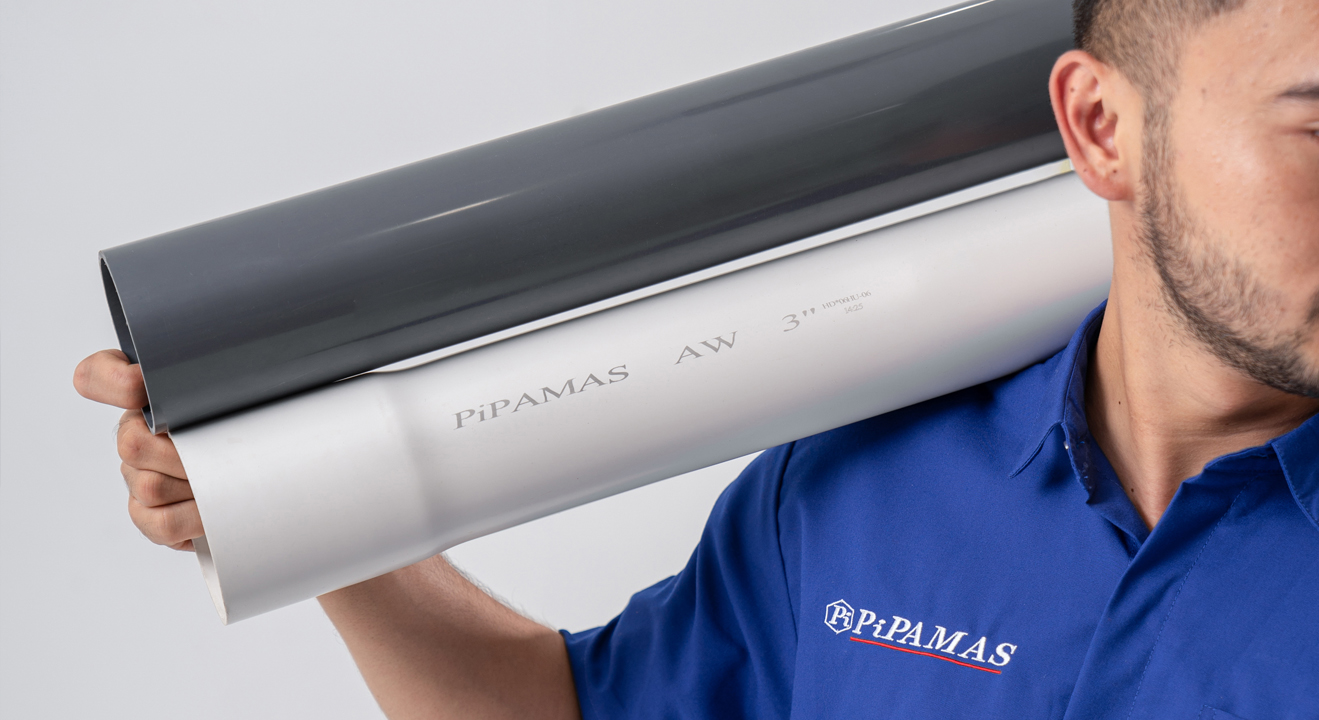

In piping system installations, selecting the correct jointing method is critical to determining the strength and durability of the pipeline. One of the most practical and widely used methods is the Rubber Ring Joint. PIPAMAS offers high-quality PVC pipes integrated with a Rubber Ring Joint system designed for easy installation, a tight seal, and minimal leak risks. Below is a comprehensive guide on how to safely and easily connect PIPAMAS PVC pipes using the Rubber Ring Joint method.
Tools and Materials to Prepare
Before starting the installation, ensure you have the following items ready:
-
Sandpaper
-
Clean cloth/rag
-
Specialized pipe lubricant (water-based)
-
Ruler
-
Marker
Step-by-Step Guide for PVC Rubber Ring Jointing
1. Ensure the Pipe End is Beveled
Inspect the end of the connecting pipe (spigot). If it has not been beveled, smooth and taper it using sandpaper to form an angle that allows the pipe to slide easily into the socket. This step is crucial to prevent the rubber ring from rolling, folding, or getting damaged during insertion.
2. Clean the Pipe and Socket
Use a clean cloth to thoroughly wipe down:
-
The exterior of the pipe end (spigot)
-
The interior of the socket
Ensure there is no dust, sand, or debris left behind, as any contaminants can compromise the tight seal of the joint.
3. Measure the Socket Depth and Mark the Pipe
Measure the depth of the socket using a ruler, then mark this distance on the spigot end using a marker. This mark serves as a visual guide for the maximum insertion depth, ensuring adequate space remains for thermal expansion.
4. Insert the Rubber Ring in the Correct Position
Place the rubber ring into the groove inside the pipe socket. Ensure the rubber ring is:
-
Seated neatly and evenly in its groove
-
Positioned with the tapered/sharp edge facing outward
Correct positioning is essential to guarantee a watertight joint and prevent leaks.
5. Apply Lubricant
Apply specialized pipe lubricant to:
-
The inside of the rubber ring/socket
-
The outer surface of the spigot end
The lubricant eases insertion and protects the rubber ring from friction damage. If specialized lubricant is unavailable, soapy water can be used as a safe alternative.
6. Connect the Pipes
Align the pipe end straight with the socket, then push it firmly until it reaches the marker line you drew earlier. Ensure the pipe goes in straight and stable; any misalignment can disrupt the optimal sealing performance of the rubber ring.
Installation Tips from PIPAMAS
-
Never use oil or petroleum-based lubricants, as they will degrade and damage the rubber ring material.
-
Avoid striking or hammering the pipe directly during insertion.
-
Ensure the joint alignment is perfectly straight before introducing pressure into the system.
-
Conduct a water flow test once the entire installation is complete.
The Rubber Ring Joint (RRJ) method on PIPAMAS PVC pipes offers a highly practical, strong, and long-lasting jointing solution. By following the correct installation procedures, your piping network will feature completely watertight connections, minimal maintenance, and an extended service lifespan. As a trusted provider of piping system solutions, PIPAMAS remains deeply committed to delivering high-quality products to support construction and infrastructure demands across Indonesia.