
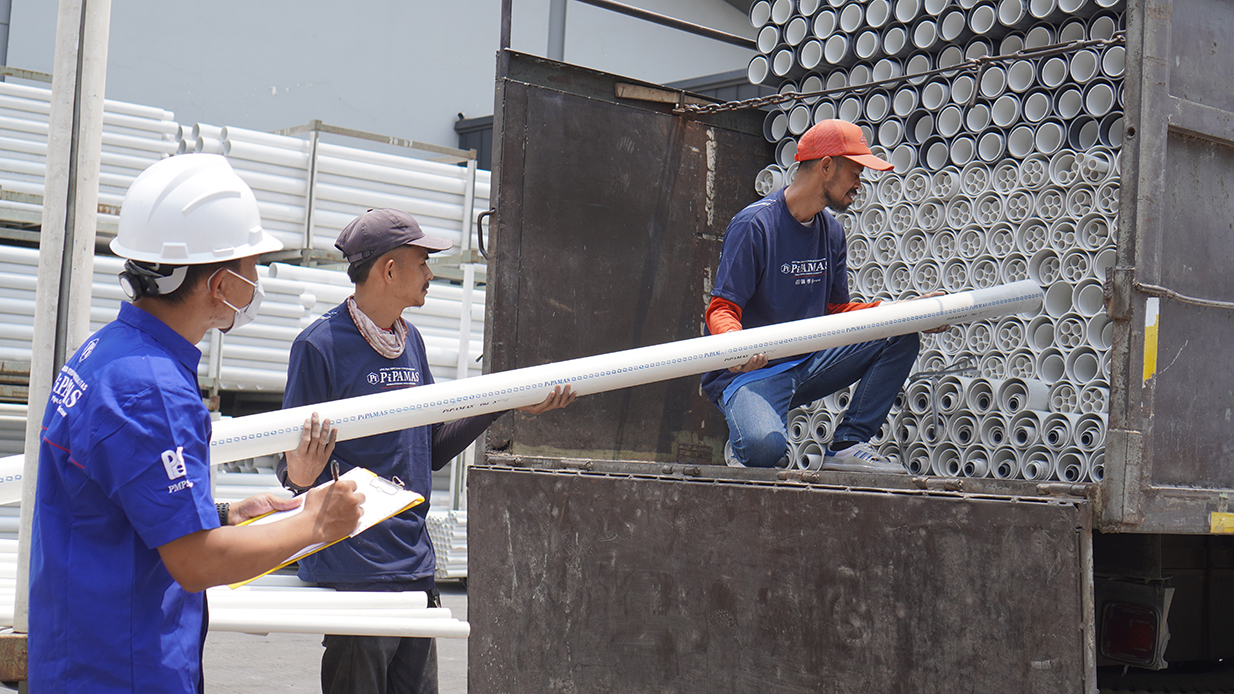
In construction planning and building renovations, selecting the right type of PVC pipe is often overlooked. In reality, choosing the wrong pipe type can directly cause budget overruns or even piping system failures. To keep the budget under control without sacrificing quality, pipe selection must be tailored to its function, pressure requirements, and installation needs. As a piping system solution provider, PIPAMAS offers a wide range of PVC pipes engineered for distinct requirements, driving efficiency from both a technical and financial standpoint.
Aligning Function with Budget Efficiency The first step in determining the type of PVC pipe is understanding the function of the pipeline to be installed. Pipes for pressurized clean water naturally require different specifications than those for wastewater or drainage. Using over-specified pipes for lightweight needs only inflates costs without providing significant additional benefits. Conversely, selecting low-specification pipes for pressurized lines risks leaks and far higher repair costs in the future.
The Role of Working Pressure in Cost Optimization In addition to function, working pressure is a critical factor that is frequently ignored. Every PVC pipe has a specific pressure rating designed to withstand water loads under normal conditions. Aligning the pipe’s pressure class with actual project demands helps optimize the budget. By choosing PIPAMAS PVC pipes according to the required pressure standards, projects can run more efficiently without the risk of going over budget due to incorrect material specifications.
Understanding PVC Pipe Classifications: AW, D, and C In PVC piping systems, there are several commonly used classifications: Class AW, Class D, and Class C.
-
Class AW PVC Pipes: Feature the highest wall thickness and are engineered to withstand high pressure. This class is generally utilized in high-pressure clean water installations or systems requiring extra structural strength. The deployment of Class AW pipes should be focused strictly on pipelines that genuinely demand high pressure to keep the budget efficient.
-
Class D PVC Pipes: Positioned in the middle, offering moderate thickness and pressure capabilities. This class is ideal for clean water installations with normal pressure or for residential and light commercial building needs. By selecting PIPAMAS Class D pipes for the appropriate lines, projects can reduce costs without compromising the safety of the piping system.
-
Class C PVC Pipes: Have the thinnest walls and are not designed to withstand high pressure. This class is ideal for waste channels, drainage, or ventilation systems that do not carry pressurized water. Utilizing Class C pipes for non-pressure lines is a smart approach to cutting material costs and preventing budget deficits.
Conclusion: Smart Planning for Long-Term Value By understanding pipe functions, working pressure, connection methods, and quality standards, PVC pipe selection can be conducted more prudently and strategically.