
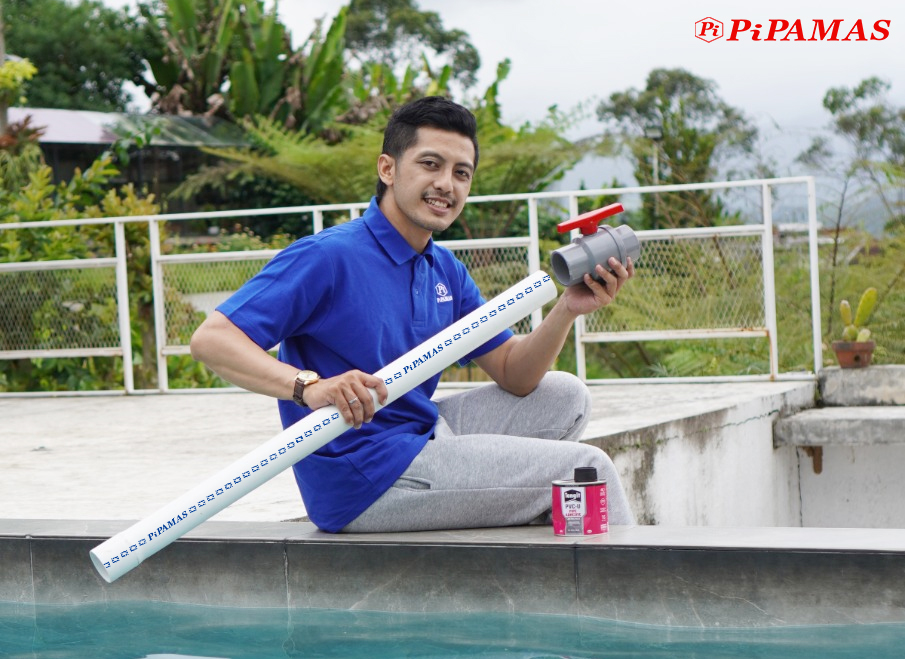
A properly installed PVC piping system still requires regular maintenance to function optimally in the long run. Without proper care, pipes risk leaks, performance degradation, and damage that can lead to costly repairs. Therefore, routine maintenance is a crucial step to ensure the reliability of your piping network. PIPAMAS recommends a simple yet consistent approach to maintaining PVC pipe installations.
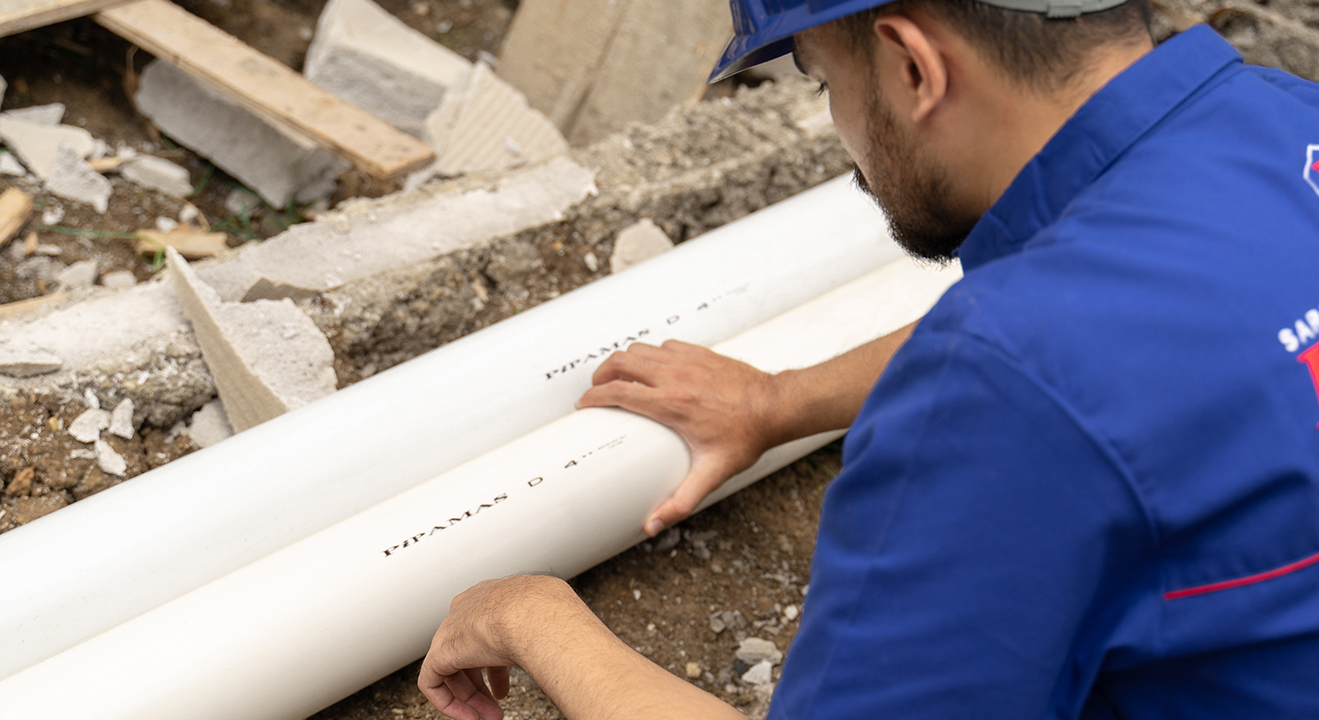
Early Detection Through Periodic Inspections The initial step in maintenance begins with periodic inspections of the pipeline and its joints. Small cracks, damp connections, or shifts in pipe positioning are often early signs of underlying issues. By detecting these signs early, repairs can be made before the damage escalates into a major failure.
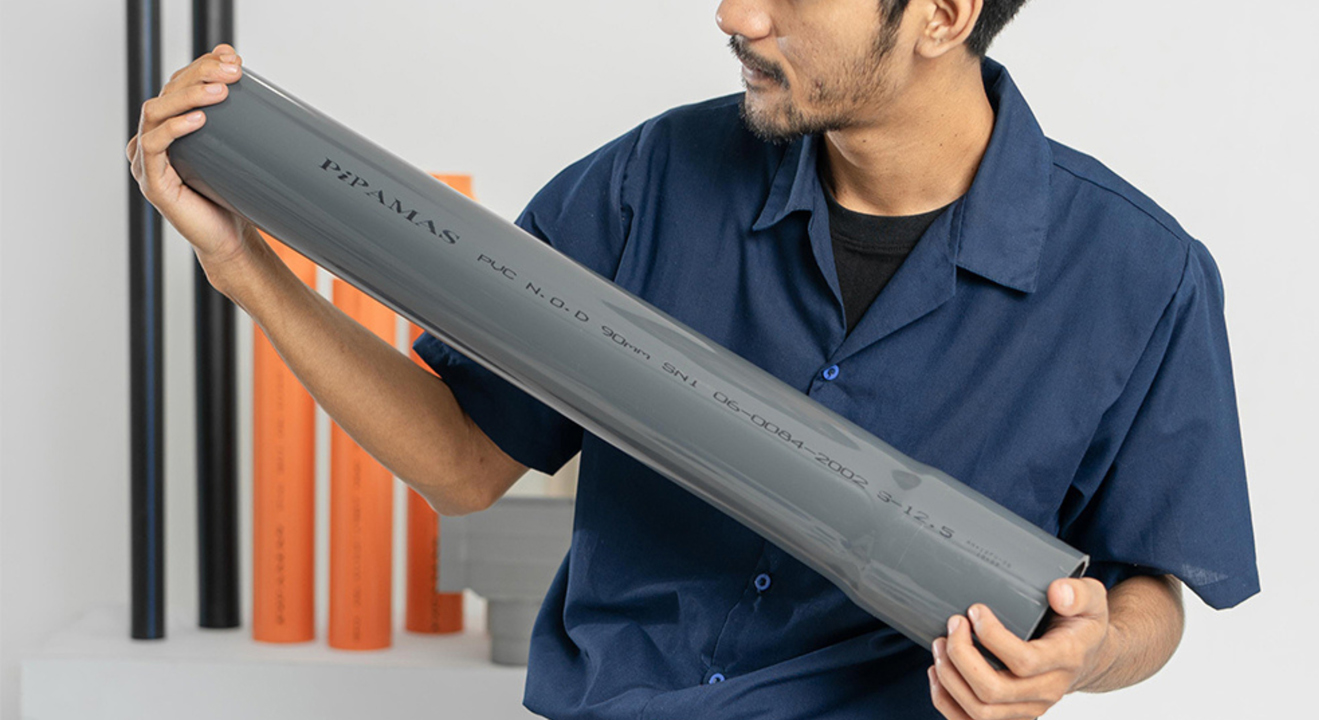
Protecting Structural Integrity and Managing Pressure Additionally, it is vital to ensure that pipes are not subjected to excessive loads or heavy impacts, particularly in exposed areas. Overexposure to extreme heat and pressure beyond the pipe's rated capacity must also be avoided to keep the pipe structure stable. For clean water installations, maintaining water pressure within the pipe's technical specifications will significantly extend the system's lifespan.
Maintaining Smooth Flow and System Cleanliness Pipeline cleanliness also plays an important role in system maintenance. Sediment buildup or material debris in certain channels can obstruct flow and increase internal pipe pressure. Simple maintenance, such as regular flushing and cleaning, will help keep the flow smooth and uninterrupted.
Conclusion: Invest in Preventive Maintenance With proper care and the use of high-quality PVC pipes from PIPAMAS, your piping installation can deliver optimal performance, maximum durability, and minimal repairs. Routine maintenance not only preserves system performance but also serves as a smart strategy to save on long-term maintenance costs.